










earth + element
Basic Materials
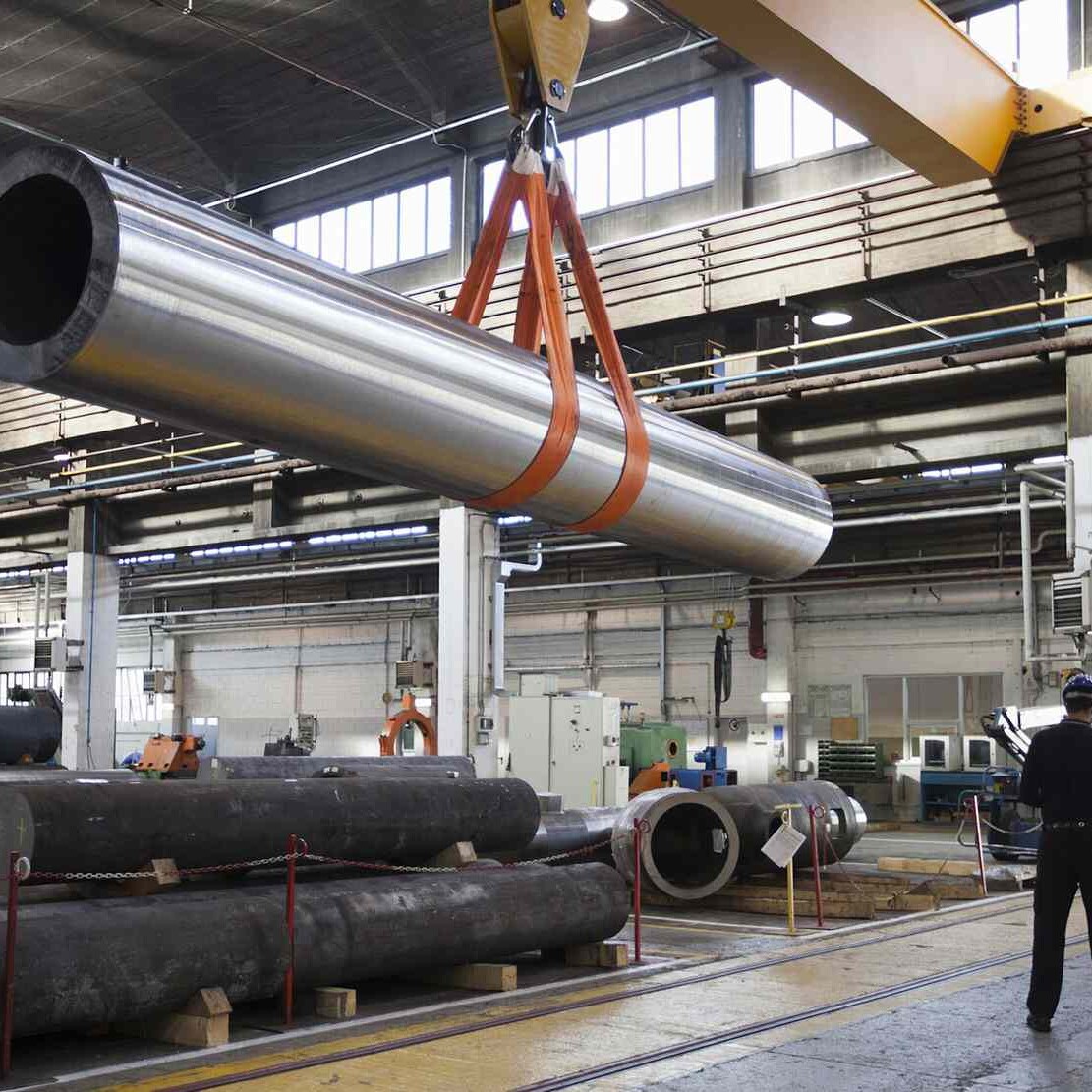
Basic materials form the foundation of nearly every industry on earth. Metals, chemicals, timber, and raw inputs flow into construction, manufacturing, agriculture, and technology, making this sector a primary driver of global economic activity. Its performance is closely tied to infrastructure investment, industrial output, and commodity cycles, which means it often signals broader economic shifts before they appear elsewhere. Supply chain dynamics, environmental regulation, and geopolitical factors all weigh heavily on pricing and availability. For businesses that depend on these inputs, or compete within them, understanding the sector is essential to managing costs, timing investments, and protecting margins.
industry list

Needs + Wants
Consumer Goods
Consumer goods reflect how people spend across necessity and discretion, in good times and bad. The sector divides into two distinct segments: staples, which cover essential products like food, beverages, and household goods that sell consistently regardless of economic conditions; and discretionary, which covers non-essential spending on apparel, automotive, leisure, and retail that rises and falls with consumer confidence. Together they serve as one of the most reliable indicators of economic health, purchasing power, and shifting consumer behavior. Margins, distribution, and brand loyalty are the primary battlegrounds, and competitive dynamics shift quickly as demographics, technology, and spending patterns evolve. Businesses in this sector (or serving it) need to track consumer sentiment and structural trends to stay ahead.
Durables
Non-Durables

Voice + View
Communications
Communications is the infrastructure of modern economic life. Telecommunications, media, digital platforms, and internet services collectively determine how information moves, how businesses reach customers, and how markets form and evolve. The sector sits at the intersection of technology and culture, making it both highly dynamic and strategically critical for businesses across every industry. Disruption here, whether through platform consolidation, regulatory shifts, or new distribution models, tends to ripple outward quickly. Understanding this sector means understanding how attention, distribution, and connectivity are being repriced in real time.
industry list
Power + Pipe
Energy
Energy underpins every sector of the economy. Nothing moves, produces, or scales without it. The sector spans traditional fossil fuels, utilities, and a rapidly expanding universe of renewables, each operating under different cost structures, regulatory environments, and demand cycles. Price volatility, capital intensity, and geopolitical exposure make energy one of the most complex sectors to navigate, but also one of the most consequential for business planning and investment decisions. The ongoing transition toward cleaner sources is creating simultaneous disruption and opportunity across the value chain. For any business with significant energy costs, infrastructure exposure, or sustainability commitments, this sector demands close attention.
industry list

Capital + Credit
Financials
The financial sector allocates capital, manages risk, and enables growth across every corner of the economy. Banks, insurers, asset managers, and capital markets firms collectively determine how money flows – from savings into investment, from risk into return, from capital into enterprise. The health of this sector is both a reflection and a driver of broader economic conditions, making it one of the most closely watched by business leaders across industries. For businesses seeking capital, managing risk, or navigating financial partnerships, understanding the forces shaping this sector is a direct competitive advantage.
industry list

Care + Cure
Healthcare
Healthcare is one of the largest and most structurally complex sectors in the global economy, touching every population and every stage of life. It spans pharmaceuticals, biotechnology, medical devices, care delivery, insurance, and health information services. Each have their own distinct economics, regulatory requirements, and growth drivers. Demographic trends, technological innovation, and policy changes create persistent pressure to improve outcomes while controlling costs, generating both risk and opportunity at every level of the value chain. The sector rewards businesses that can navigate regulatory complexity, manage reimbursement dynamics, and scale efficiently without sacrificing quality. For leaders operating within or adjacent to healthcare, the ability to read structural trends accurately is foundational to strategic planning.
industry list

Iron + Infrastructure
Industrials
Industrials build, move, and maintain the physical economy. Aerospace and defense, construction, transportation, logistics, machinery, and business services all fall within this broad sector. Each contributes to the infrastructure and supply chains that keep commerce functioning at scale. Performance here is closely correlated with economic cycles, capital investment, and global trade flows, making the sector a reliable leading indicator of broader industrial activity. Automation, digitalization, and supply chain restructuring are reshaping cost structures and competitive dynamics across nearly every subsector. For businesses that manufacture, distribute, or depend on physical infrastructure, understanding industrials is inseparable from understanding their own operating environment.
industry list

Bricks + Mortar
Real Estate
Real estate is both an asset class and an operating environment. It shapes where businesses locate, how capital is stored, and how communities develop over time. The sector spans residential, commercial, industrial, and retail properties, along with the REITs, developers, and service firms that facilitate ownership and investment across all of them. Interest rates, employment trends, demographic shifts, and urban development patterns all influence demand and valuations in ways that ripple through business costs and investment returns. For businesses making location, lease, or capital allocation decisions, real estate market conditions are a direct input into strategic planning.
industry list

Bits + Bytes
Technology
Technology is the sector most responsible for reshaping competitive advantage across every other industry. Software, hardware, semiconductors, cloud infrastructure, and digital services collectively define how businesses operate, scale, and differentiate in a data-driven economy. The sector moves faster than any other with product cycles compress, platforms consolidate, and new categories emerging with little warning. That makes it both the greatest source of opportunity and one of the most difficult to predict. For businesses outside the sector, technology decisions determine operational efficiency, customer experience, and the ability to compete. For those within it, the pace of change demands constant evaluation of where durable value is being created and where disruption is approaching.