






Updated January 2026
Industry Purpose & Economic Role
The chemicals industry exists to convert basic feedstocks into standardized molecular inputs that make industrial economies possible. By transforming oil, gas, minerals, air, and water into usable chemical compounds, the industry enables manufacturing, construction, agriculture, energy production, and consumer goods at scale. Chemicals rarely face end consumers directly, but they quietly determine cost structures, performance limits, and feasibility across entire supply chains.
The industry persists because its role is foundational rather than discretionary. While individual chemistries are regulated, substituted, or phased out over time, the underlying function—large-scale molecular transformation—remains essential. Environmental and regulatory pressure tends to reshape processes and capital requirements, not eliminate demand. As a result, chemicals evolve through constraint and adaptation rather than replacement.
In economic terms, this industry:
- Converts abundant raw materials into industrial building blocks
- Enables scale, durability, and standardization across manufacturing
- Anchors cost structures for downstream industries
- Transmits energy and feedstock economics into finished goods
- Remains indispensable despite regulatory and cyclical pressure
Value Chain & Key Components
The chemical value chain begins with feedstocks such as crude oil, natural gas, coal derivatives, minerals, and atmospheric gases. These inputs are processed through cracking, synthesis, separation, and formulation to produce base chemicals, intermediates, and finished products. Assets are capital intensive, long-lived, and optimized for specific processes, creating rigidity once capital is deployed.
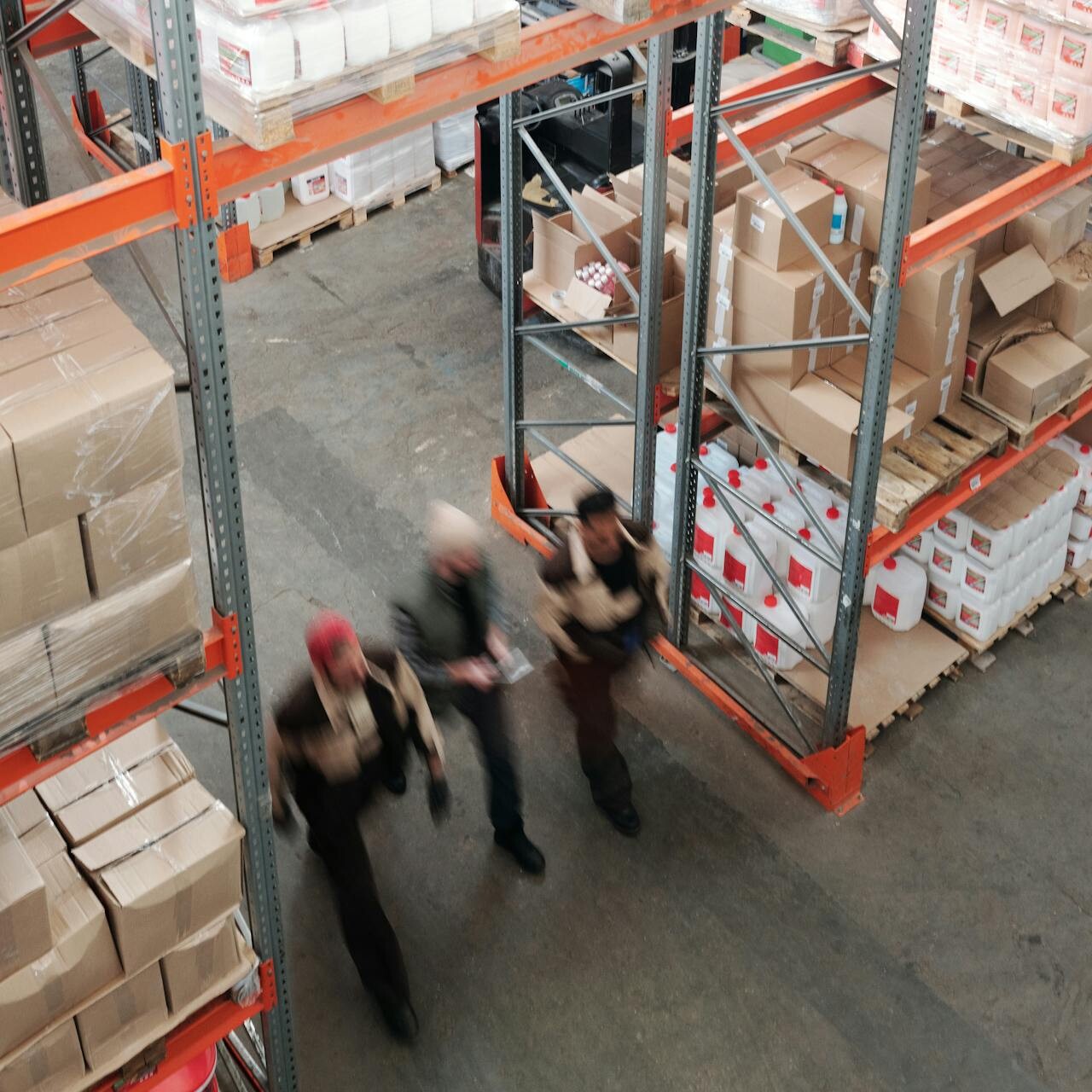
Physical and economic constraints dominate outcomes. Plants are expensive to build, slow to permit, and difficult to repurpose. Feedstock access and energy costs largely determine regional competitiveness, while logistics, storage, and safety requirements add complexity. Small changes in utilization can have outsized effects on profitability due to high fixed costs.
Core stages and components:
- Feedstock sourcing (oil, gas, minerals, air)
- Primary processing and chemical synthesis
- Intermediate chemical production
- Formulation and blending
- Distribution to industrial customers
Structural realities shaping economics:
- Long asset lives with high fixed costs
- Significant exposure to energy and feedstock volatility
- Limited flexibility once facilities are built
- High safety and environmental compliance burdens
Market Structure & Competitive Dynamics
The chemicals industry is globally competitive and structurally cyclical. Many products are chemically indistinguishable, leaving pricing governed largely by supply-demand balance rather than differentiation. Capacity expansions often follow periods of strong profitability, arriving just as demand slows and compressing margins. Scale and integration offer advantages in feedstock access, logistics, and diversification, but they do not eliminate risk. Large producers remain exposed to poor timing and capital misallocation, while smaller producers may outperform temporarily but lack resilience during downturns.
Competitive outcomes diverge based on:
- Feedstock and energy cost position
- Asset utilization and operating efficiency
- Timing of capacity additions or curtailments
- Geographic and regulatory exposure
- Balance sheet strength
Cyclicality, Risk & Structural Constraints
Cyclicality is intrinsic to chemicals. Demand tracks industrial activity, while supply responds slowly due to long construction timelines and regulatory hurdles. This mismatch produces recurring boom-bust cycles that punish extrapolation and reward restraint.
Risk is magnified by asset rigidity. Environmental regulation can strand capital, energy price swings compress margins, and safety incidents carry outsized financial and reputational consequences. Leverage taken on during strong conditions often becomes destabilizing once margins normalize.
Primary sources of risk:
- Overbuilding during peak margins
- Feedstock and energy price volatility
- Environmental and regulatory constraints
- Operational and safety incidents
Common failure modes:
- Treating cyclical demand as structural growth
- Leveraging balance sheets to fund expansion
- Delaying capacity rationalization
Future Outlook
The future of chemicals is best described as selective adaptation rather than transformation. Demand will continue to track global industrial activity, but growth will be uneven across products and regions. Environmental regulation is likely to reshape cost structures and capital requirements more than eliminate demand. Efficiency, utilization discipline, and feedstock optimization will matter more than volume expansion. As compliance costs rise, barriers to entry are likely to increase, reinforcing the importance of asset quality and capital discipline.
Likely developments:
- Gradual tightening of environmental standards
- Slower, more disciplined capacity growth
- Greater performance dispersion across assets
Unlikely outcomes:
- Structural collapse in chemical demand
- Rapid displacement of core chemical processes
TL;DR
The chemicals industry is governed by feedstock economics, capital discipline, and cycle timing—not growth narratives or product differentiation. Long-term value is created by surviving downturns intact and resisting the urge to overbuild when margins peak. Asset rigidity, energy exposure, and regulation magnify mistakes and reward restraint.
What matters most:
- Feedstock and energy cost advantage
- Capacity discipline across cycles
- Regulatory and safety survivability
- Utilization of long-lived assets
- Balance sheet resilience