





Updated January 2026
Industry Purpose & Economic Role
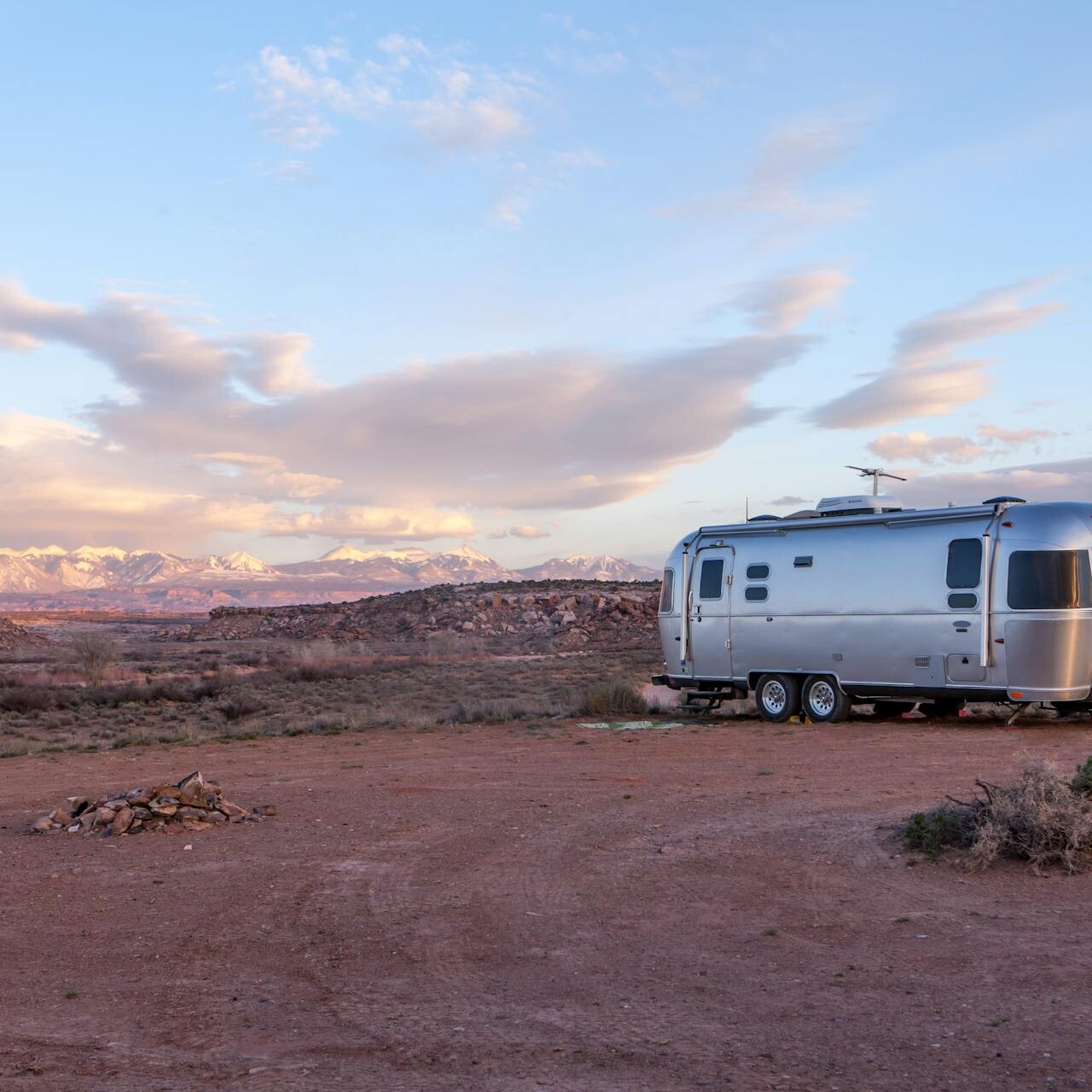
The recreational vehicles industry exists to solve a discretionary—but structurally persistent—problem: how to bundle mobility, shelter, and utility into a single, owner-controlled asset that enables temporary relocation without fixed real estate commitments. RVs convert travel from a service purchase (hotels, flights) into a capital good that owners can deploy flexibly across time and geography.
Historically, RVs emerged from camping trailers and converted vans as road infrastructure expanded and leisure time increased. Their adoption accelerated alongside suburbanization, interstate highways, and a cultural preference for autonomous travel. While demand is cyclical, the underlying function—portable habitation under private control—has proven durable across decades and demographic shifts.
The core economic function of RVs is self-contained optionality. Owners prepay for flexibility: the ability to travel, work remotely, or shelter temporarily without per-trip pricing. This optionality is economically meaningful for retirees, seasonal workers, families, and increasingly remote professionals. RVs persist because they arbitrage fixed housing costs against episodic use, particularly when lodging prices rise or availability tightens.
Within the broader economic system, RVs sit between automotive manufacturing and real estate. They are vehicles with housing attributes, regulated primarily as automobiles but consumed as lifestyle infrastructure. Their persistence reflects a structural niche: when housing is expensive and mobility valuable, assets that combine both retain relevance—even if purchased intermittently.
Value Chain & Key Components
Value creation in RVs is driven by assembly integration, distribution leverage, and aftermarket monetization, not core engineering novelty.
-
Chassis & Powertrain Supply:
Most RVs are built atop standardized truck or van chassis supplied by automotive OEMs. This anchors cost structure and regulatory compliance while limiting differentiation at the drivetrain level. -
Coachbuilding & Systems Integration:
Manufacturers integrate living systems—plumbing, electrical, HVAC, cabinetry, appliances—into lightweight structures. Capital intensity is moderate; labor and quality control dominate. Margins depend on build efficiency and defect avoidance rather than scale economies alone. -
Product Segmentation:
RVs are segmented by class (motorized vs towable), size, and amenities. Differentiation is primarily configurational. Feature creep increases ASPs but also warranty risk. -
Dealership Distribution:
RVs are sold through specialized dealerships that manage inventory, financing, trade-ins, and service. Dealers absorb demand volatility and monetize service, storage, and accessories. Distribution leverage is a primary profit pool. -
Aftermarket, Service & Financing:
Maintenance, repairs, upgrades, storage, and financing generate recurring revenue over long ownership cycles. This layer stabilizes economics across downturns.
Large manufacturers and dealer networks benefit from purchasing scale and brand recognition, but switching costs for consumers are low at purchase time. Structural constraints—transport logistics, floorplan financing, and service capacity—shape margins more than demand growth.
Cyclicality, Risk & Structural Constraints
RVs are highly cyclical, with demand tied to discretionary income, credit availability, fuel prices, and consumer confidence.
Primary risk concentrations include:
-
Demand Volatility:
Purchases are deferrable. Small macro shocks can cause large volume swings. -
Inventory & Floorplan Risk:
Dealers finance inventory; rising rates or slow turns compress margins quickly and force discounting. -
Quality & Warranty Risk:
Assembly complexity and supplier variability create defect risk. Warranty claims can erase manufacturing margins. -
Input Cost Sensitivity:
Materials, labor, and chassis availability affect cost structure with limited pricing power in downturns.
Participants often misjudge risk by extrapolating peak-cycle demand. Overexpansion—capacity, SKUs, dealer footprints—late in cycles is a common failure mode. Dealers face asymmetric downside when used values fall, impairing trade-ins and collateral.
Structural constraints limit rapid adaptation. Production lines cannot be flexed cheaply; dealers cannot shed real estate or service staff quickly without damaging long-term viability.
Future Outlook
The future of RVs will be shaped by demographics, remote work, and housing economics, not by continuous growth. Demand will remain episodic, with sharp booms and corrections.
Innovation will be incremental: lighter materials, improved power systems, better insulation, and partial electrification. These features improve usability but increase cost and complexity. Full electrification is constrained by range, weight, and infrastructure.
Dealerships will remain central. Financing, service, storage, and education are inseparable from the product. Direct-to-consumer models struggle with logistics and after-sales support at scale.
A common misconception is that RV demand permanently expanded post-pandemic. In reality, the industry pulled forward years of demand. Replacement cycles and lifestyle shifts will reassert themselves, restoring volatility.
Capital allocation implications:
- Returns accrue to firms with balance-sheet discipline and dealer leverage.
- Aftermarket and service revenues matter more than unit volume.
- Survivability through down cycles is the primary competitive advantage.
Unlikely outcomes include sustained linear growth or rapid technological disruption. Recreational Vehicles will persist as cyclical lifestyle infrastructure—periodically overbuilt, frequently discounted, but structurally relevant wherever mobility, autonomy, and housing flexibility retain value.